DEACONS PART 2

DEACONS PART 2

Who are Deacons? What is their character? 1 Timothy 3:8-13 reads:

(8) Deacons likewise must be dignified, not double-tongued, not addicted to much wine, not greedy for dishonest gain. (9) They must hold the mystery of the faith with a clear conscience. (10) And let them also be tested first; then let them serve as deacons if they prove themselves blameless. (11) Their wives likewise must be dignified, not slanderers, but sober-minded, faithful in all things. (12) Let deacons each be the husband of one wife, managing their children and their own households well. (13) For those who serve well as deacons gain a good standing for themselves and also great confidence in the faith that is in Christ Jesus.

This passage teaches us what Deacons are supposed to be. Deacons are not perfect people, but they are faithful people. Deacons are chosen to serve. This list explains the type of character they are supposed to possess. This passage can be divided into nine characteristics.

DEACONS PART 1

DEACONS PART 1

Jesus came to serve...not to be served. Mark 10:42-45 says, “(42) and Jesus called them to him and said to them, ‘You know that those who are considered rulers of the Gentiles lord it over them, and their great ones exercise authority over them. (43) But it shall not be so among you. But whoever would be great among you must be your servant, (44) and whoever would be first among you must be slave of all. (45) For even the Son of Man came not to be served but to serve, and to give his life a ransom for many.’”

BOOK REVIEW: "CONTROLLING ANGER: RESPONDING CONSTRUCTIVELY WHEN LIFE GOES WRONG" BY DAVID POWLISON

BOOK REVIEW: "CONTROLLING ANGER: RESPONDING CONSTRUCTIVELY WHEN LIFE GOES WRONG" BY DAVID POWLISON

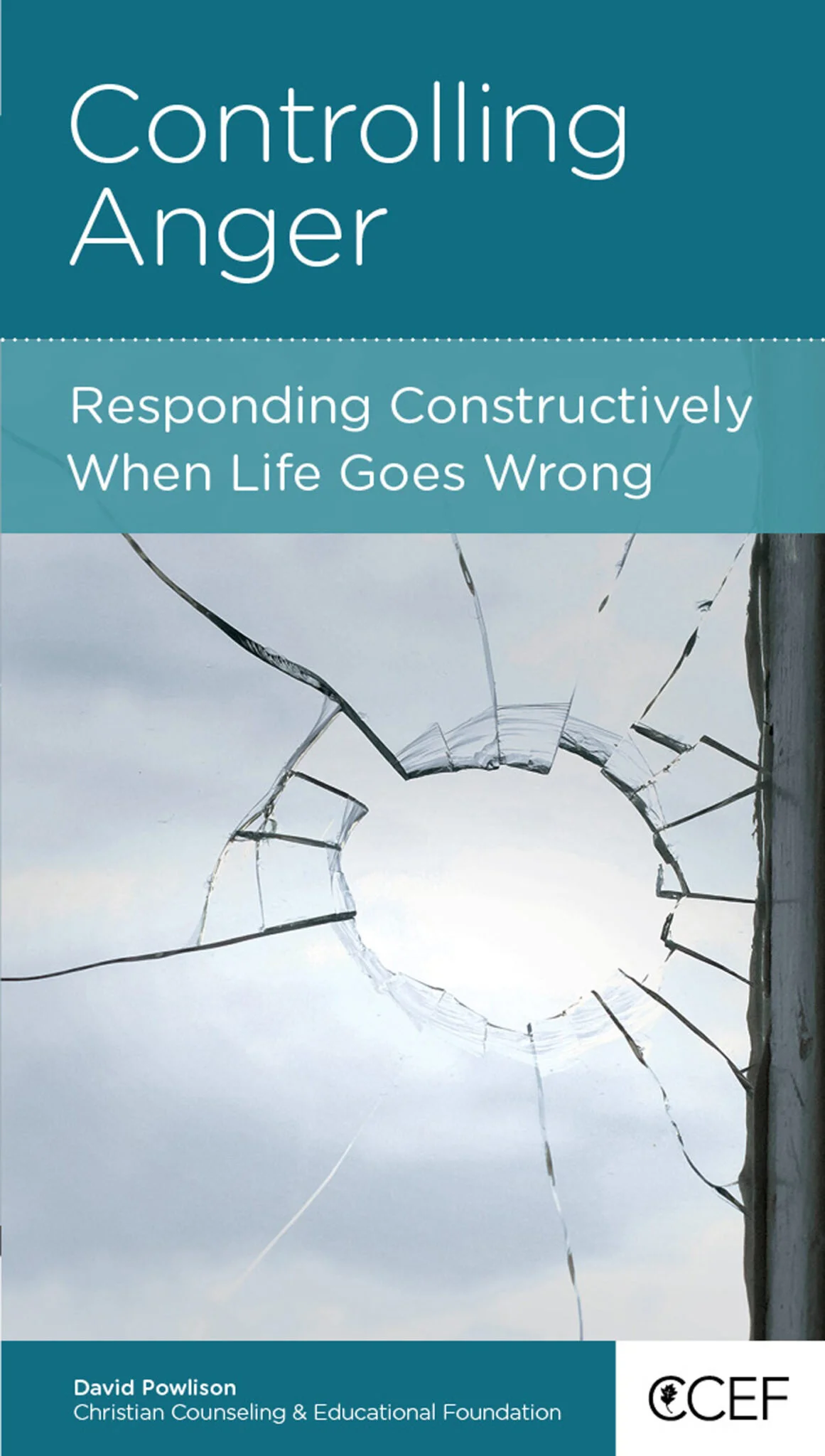
Powlison’s booklet is the best starting point to understand the nature of anger and how to express anger in healthy righteous ways. Controlling Anger is published by New Growth Press in partnership with CCEF. It is only fifteen pages and can be downloaded to Kindle. Students and adults will both find it readable. This booklet is a great summary of the Bible’s view of anger and the solutions it provides.

BOOK REVIEW: THE FREEDOM OF SELF-FORGETFULNESS

BOOK REVIEW: THE FREEDOM OF SELF-FORGETFULNESS

Contemporary culture has a plurality of opinions of how to view human identity. For some, self-esteem is the ultimate virtue to achieve. The spirituality of many is that if they could only have a higher view of themselves then they would be happy. However, the Bible has better news. Tim Keller’s “The Freedom of Self-Forgetfulness” is important because a wrong view of personal identity is leading to wasted unhappy lives.

CHURCH SHOOTING PRAYERS AND THOUGHTS

CHURCH SHOOTING PRAYERS AND THOUGHTS

As a pastor, news of another church shooting has grieved me and brought me to my knees once again. However, as a pastor, I also oversee the institution of Redeemer Church. It is my responsibility to provide leadership in order to provide a safe environment for our church to worship. As your pastor, I don’t feel the freedom to entertain political platitudes, but rather feel the burden to study these incidents in order to implement what works. Therefore, I want to provide some comments for our church about church shootings.

A HISTORY OF BAPTIST COOPERATION

A HISTORY OF BAPTIST COOPERATION

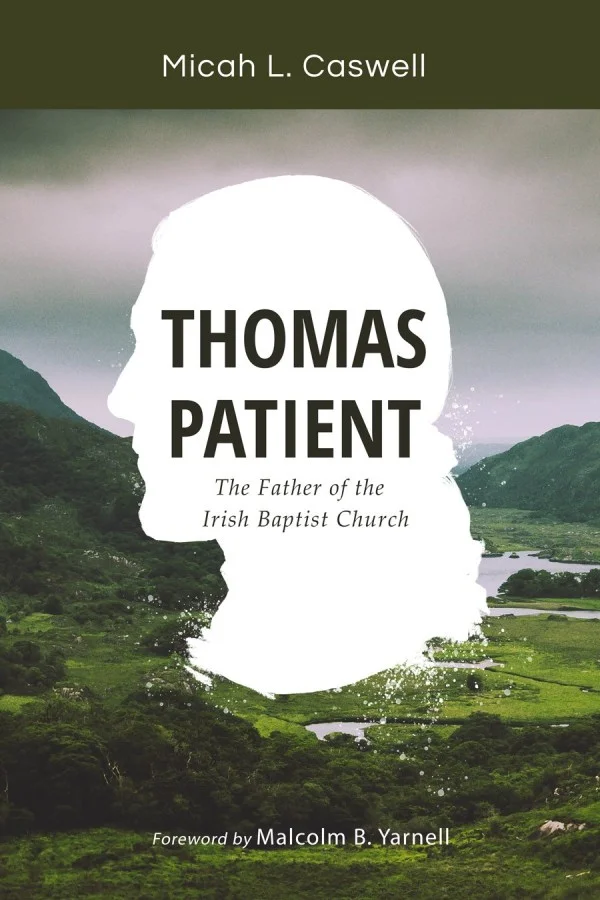
Local autonomy has always been part of Baptist history, but so has cooperation.  Throughout our history, local Baptist churches have been the ultimate authority for their own congregation.  Baptist churches hire their own pastors. Baptist churches install their own Elders and Deacons.  Baptist churches develop and approve their own budgets including making decisions about missions giving.  However, we also have a history of cooperation with other churches.  Typical Southern Baptist churches cooperate through local county associations, state conventions, and the national Southern Baptist Convention.  These contemporary efforts are grounded in a history of cooperation found in the earliest Baptist churches.  I have recently published a book about an early Baptist named Thomas Patient (HERE) who both planted the first Irish Baptist churches but also cooperated with other like-minded Baptist churches.

SOUL COMPETENCY OR REGENERATE CHURCH MEMBERSHIP?

SOUL COMPETENCY OR REGENERATE CHURCH MEMBERSHIP?

Baptists have long asked the question, “what does it mean to be a Baptist?” E. Y. Mullins was the president of The Southern Baptist Seminary and argued that soul competency was Baptists’ “mother principle.”[1] Other ideas about religious liberty and oppositions to confessions of faith spring from the Mullins’ teachings on soul competency. However, the father of the Irish Baptist movement would disagree with Mullins’ conclusions. Thomas Patient planted the first Baptist churches in Ireland and did so for different reasons than soul competency. The doctrine that led to Patient establishing those first Irish Baptist churches helps Baptists understand what it really means to be a Baptist.

THE IRISH AND BAPTIST IDENTITY

THE IRISH AND BAPTIST IDENTITY

The Irish Baptists inform our understanding of what it means to be Baptists because they have an undisputed beginning. I recently wrote a biography of Thomas Patient who planted for the first Irish Baptist churches (HERE). One of the challenges for Baptists is to pinpoint our beginning. Baptist historians have struggled to identify when and where the movement actually began. Some have tried to link a trail throughout church history from the time of Christ into the English Reformation. Others have claimed it began on the European continent with close links to the Anabaptist tradition. Still others argue the Baptist movement comes directly out of the English Reformation. Beginnings are significant because they inform identity. For example, if our beginnings are closely linked to the Anabaptist tradition then Anabaptist doctrines should help us understand what it means to be a Baptist today. However, the Irish Baptist movement is uniquely helpful because their beginning is undisputed. Their undisputed beginning informs their identity which then informs the broader Baptist identity.

IRISH LESSONS FOR CHURCH PLANTERS

IRISH LESSONS FOR CHURCH PLANTERS

Tucked away in the religious history of Ireland is a profound lesson for church planters. I recently wrote a biography of Thomas Patient who planted for the first Irish Baptist churches (HERE). Guys who plant churches breathe the Great Commission, “Go therefore and make disciples of all nations, baptizing them in the name of the Father and of the Son and of the Holy Spirit, teaching them to observe all that I have commanded you. And behold, I am with you always, to the end of the age” (Matthew 28:19-20). The history of the Irish Baptists teaches us the virtue of planting churches committed to regenerate church membership. The original Irish Baptist churches were started because of the doctrine of believers’ baptism and thus regenerate church membership. Those churches were planted in the 1650’s and remain faithful gospel witnesses today.